
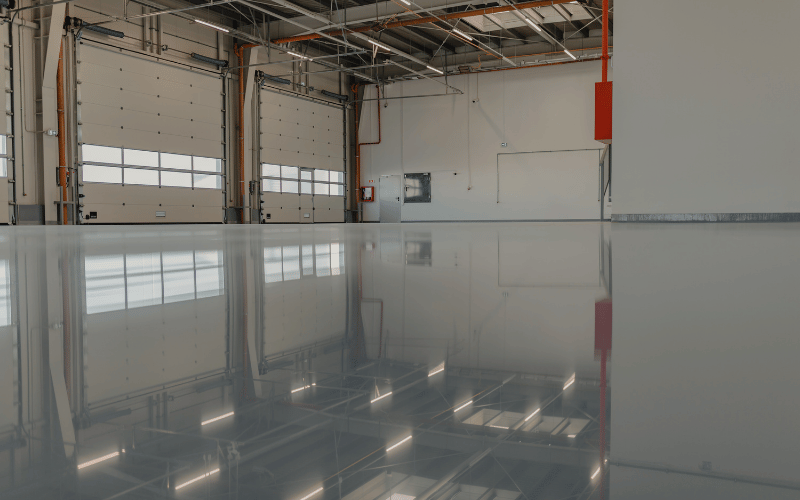
When it comes to upgrading your garage with durable and visually appealing flooring, choosing the right material is key. For homeowners in Gainesville, TX, and nearby areas like Dallas, Fort Worth, and Denton, understanding the differences between polyaspartic and polyurea coatings can help you make an informed decision. As a trusted epoxy floor contractor in Texas, we’re breaking down these two popular options to guide you toward the best fit for your space.
What Are Polyaspartic and Polyurea Coatings?
Both polyaspartic and polyurea are high-performance coatings often used in epoxy flooring projects. They’re known for their strength, quick curing times, and resistance to wear, making them ideal for garage flooring in Gainesville, TX. However, each has unique properties that suit different needs and environments.
Polyaspartic Coatings: Fast and Flexible
Polyaspartic coatings are a type of aliphatic polyurea, prized for their rapid drying time—often ready for use in just a few hours. This makes them a go-to choice for homeowners in Texas who want minimal downtime during installation. They offer excellent UV resistance, meaning they won’t yellow under sunlight exposure, which is a plus for garages with open doors or outdoor patio applications. Additionally, polyaspartic provides a smooth, glossy finish that enhances the look of any space.
Polyurea Coatings: Tough and Resilient
On the other hand, polyurea is incredibly durable and resistant to chemicals, abrasions, and heavy impacts. It’s often favored for industrial settings or high-traffic garages in areas like Fort Worth or Dallas, where floors endure constant use. While it also cures quickly, polyurea can be less flexible than polyaspartic, which might lead to cracking in extreme temperature fluctuations—a factor to consider for North Texas weather.
Which Is Right for Your Gainesville Garage?
Choosing between these materials depends on your specific needs. If speed and aesthetics are priorities, polyaspartic might be the better option for home epoxy flooring. It’s ideal for creating immersive epoxy floors with custom designs that elevate your garage’s style. However, if you’re looking for maximum durability to withstand heavy machinery or frequent vehicle traffic, polyurea could be the smarter pick for long-term performance.
Other Applications to Consider
While garage flooring is a common use, both coatings can enhance other spaces. For instance, polyaspartic works wonderfully on an outdoor patio, resisting weather changes and maintaining its shine. Polyurea, with its rugged nature, is often a top choice for business epoxy flooring in commercial settings across Denton and beyond, where durability trumps all.
Ultimately, consulting with a local epoxy floor contractor ensures you get tailored advice for your property in Gainesville, TX. With the right selection, your garage or workspace can achieve both functionality and appeal, standing up to the demands of daily use in the Lone Star State.